

What is Wall Cladding Stone
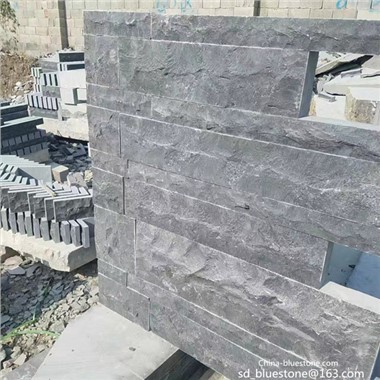
Wall cladding stone is a thin layer of stone that applied to the interior or exterior of a property. It is used to create a textured appearance to a property. Stone cladding on the outside of a property will give the impression that the building is made entirely of stone. Commonly, wall cladding stone is used in the garden as a walling solution. It works well to enhance a garden space and outdoor area.
Advantages of Wall Cladding Stone
Appearance
Natural materials are desirable in both indoor and outdoor spaces as they offer an authentic quality and helps to add depth to a room. Stone wall cladding wears the marking so thousands of years of formation. We embrace the imperfections of stone, with no two pieces the same. The natural texture and variation of the wall panels helps connect the architecture and interior to the surrounding landscape.
Robust nature
Stone wall cladding is incredibly durable which is particularly important when installing it as an exterior application. It’s more resistant to breaking and chipping than many other walling materials such as concrete cladding and can withstand harsh weather conditions.
Ease of installation
One of the main benefits of using natural stone wall cladding is the ease of installation. You will need a wall that is structurally sound and suitable for the wall cladding. The tiles come in set sizes, rather than random pieces which need to be hand selected and put in place. Swan smooth on the back of the wall panels also helps to improve adherence to the suitable substrate. This can drastically reduce the time and labour required therefore making it a cost-effective product to install.
Sustainable
There is a growing market for timeless-looking homes that are environmentally friendly. Stone is an abundant resource and comes in many different forms, veins, textures, and colours. Stone contains no chemicals or hazardous toxins, so when designing your home with stone cladding in mind, rest assured that your choice will not cause any detriment to the environment.



Why Choose Us
Our history
Our company establised in 2017. In2021, we moved to a new site and named the new company shan dong blue stone co.Ltd.
Our factory
Our company covers an area of about 13000 square meters. It is a large stone enterprise integrating processing, design, and sales. We have more than 40 workers with years of production experience.
Product application
We mainly serves the construction, real estate park, landscape decoration, renovation and other industries.
Production equipment
Six large stone saws, four sets of infrared cutting equipment, four polishing equipment, etc.
Types of Wall Cladding Stone
The use of natural stone gives an impression that the whole wall is made out of random rocks, matched nicely together. Natural stone can be installed with wet or dry methods, and both provide excellent results. Most often, we can see this type of stone wall cladding utilised outdoors, and its use makes the viewer believe the entire building is created of stone.
Coursed stone is a very popular type of stone cladding thanks to its neat and uniform look. And that’s all thanks to cutting each piece at the top and bottom. As a result, each segment has the same height and length as other elements. Coursed stone is often glued together, and there is no need to use mortar joints, which creates a highly even and consistent look. However, in some cases, a thin layer of mortar is required.
To create a ledge stone, various types of irregular stone stripes are stacked on top of each other and placed over a mesh. The key here is the use of a unique blend of natural stones that will give the cladding a rough and rustic look. The rocks shouldn’t have the same size, quite the opposite, but they all need to have a rectangular shape and should be placed horizontally. Ledge stone is usually installed on walls and around fireplaces.
Among different types of stone cladding, we also have limestone, a highly popular material used because of its beauty and high resistance to various damaging factors. It is commonly implemented both indoors and outdoors, and homeowners around the world appreciate it for its flexibility and carving possibilities. It’s a perfect type of stone cladding for covering walls, pavements, stairs, and other parts of buildings.
Even though random stone cladding may seem like the rocks were placed haphazardly on the wall, all pieces have been cut to make the installation process as easy and quick as possible. The stones have universal sizes, but they still look rustic and rugged.
What are the Styles Available in Stone Wall Cladding


Traditional walling styles: The construction and architecture industries have long employed this walling style, as its name reflects. This type of walling has been utilised in all historic locations and monuments that have wall covering installed. This is simple to assemble because it employs rectangular stone pieces and comes with a back-side sawn cut. This walling style remains fashionable today because it appeals to people who want an earthy and rustic vibe.
Free style wall cladding: Uneven stone forms are utilised in free style walling, where they are put together like parts of a jigsaw. This walling style is perfect for designing both contemporary and rustic looks for outdoor facades, fireplace surroundings, boundary walls and garden retaining walls. It's an organic freestyle technique where different sizes and shapes are arranged asymmetrically to produce a visually appealing, masonry-like design. Our geneva walling is a widespread choice for beautifying external facades and internal statement walls.
Stacked stone wall cladding: One widespread style that is winning hearts is stacked stone walling. Using a strong adhesive backing, the stone is sliced into thin strips for this style. Although the shapes and forms of the sizes employed are distinct, typically layouts have a clean, rectangular appearance. Different styles, from rustic to modern, can be achieved by arranging the stones accordingly. Notable stones that are used in stacked stone walls style are slate, sandstone and limestone.
Dry stone wall cladding: By applying a thin coating made from natural stones to a preexisting wall or surface, the dry-stone walling style gives the walls an amazing appearance. To secure the stones in place, a specialised strong cement or glue is applied. This type of walling is popular for enhancing the facades of homes, offices and gardens because of its exquisite texture, durability and simple maintenance requirements.
Installing wall cladding: Step by step
It's important to prepare: Make sure that the surface is clean and ready for stone cladding before beginning the installation process. First, give the outermost layer a thorough cleaning to get rid of any dust, debris or loose particles. To ensure lifespan, fix any cracks or flaws and, if necessary, add a weather-resistant coating.
Decide on your stone cladding: Achieving the intended look requires careful consideration of the stone cladding type chosen. Consider elements like your personal preferences, the way you plan to use the space and the architectural design of your home. Select a material that goes well with your overall design concept, whether you go for the rugged appeal of slate or the slick appearance of limestone.
Measure the area and plan the design: Proper measurements are necessary to ensure a smooth installation result. Take into account any windows, doors, or other construction details, and measure the wall's height and width. Plan an arrangement considering the positioning of the borders and edges to guarantee a harmonious and aesthetically pleasing outcome.
Assemble your tools and supplies: Get all the equipment and supplies you'll need beforehand to guarantee a seamless installation. This usually consists of tile cutters or wet saws, spacers that maintain uniform spaces between stones, a spirit level, adhesives, mortar, a trowel, and a notched trowel for applying adhesive.
Spread the adhesive: Press the stone cladding firmly into the wall by covering the back with a thick coating of a strong adhesive using a trowel. Be sure to cover everything evenly, particularly those corners and edges. To avoid the adhesive drying out before you lay the stones down, work in small areas.
Align and level: Take the spirit level to make sure every stone is precisely level and lines up with the stones next to it as you arrange them together. For a flawless finish, employ spacers to keep the stone spaces uniform and make any modifications that are required.
Trim and cut: Some stones will inevitably need to be trimmed to fit around architectural features or into corners. To make accurate and neat cuts, use a wet saw or tile cutter. When cutting stones, for adequate safety you must put on proper safety gear, which includes gloves and eyewear.
Grouting and sealing: Use a rubber float to spread grout between the stones when the adhesive has dried out, which usually takes a day. Using a moist sponge, remove any extra grout and allow it to air dry. To improve the stone cladding's longevity and stain resistance, seal it once the grout has dried.
Creative Applications of Wall Cladding Stone in Interior Design
The versatility of wall cladding stone cladding opens up a world of creative possibilities in interior design. Designers and homeowners alike have been experimenting with various applications to achieve stunning and unique spaces.
Accent walls for visual drama
Creating an accent wall with natural stone cladding can add an instant focal point and visual drama to a room. Whether it’s the living room, bedroom, or dining area, a carefully chosen stone accent wall can transform the entire ambiance, making it an unforgettable space.
Fireplace surrounds with natural beauty
A fireplace adorned with natural stone cladding exudes a cozy and inviting charm. The interplay of firelight with the stone’s textures and colors creates a captivating display, turning the fireplace into a statement piece that brings warmth and comfort to any living space.
Kitchen backsplashes in style
Incorporating natural stone cladding as a kitchen backsplash is a popular trend that adds a touch of luxury to the heart of the home. The backsplash becomes a focal point, complementing the kitchen’s design while providing a durable and easy-to-clean surface.
Exterior facades that wow
Natural stone wall cladding is not limited to the indoors; it can also be used to enhance the beauty of the exterior facades. Whether it’s a contemporary villa or a traditional cottage, stone cladding can elevate the architectural appeal and create a lasting impression.
Spa-like bathroom retreats
Transform your bathroom into a spa-like retreat with natural stone wall cladding. Using stone in bathrooms adds a sense of serenity and luxury, turning your bathing space into a haven of relaxation.
Precautions and Challenges of Wall Cladding Stone Cladding
Ensuring proper installation
Improper installation can lead to various issues, including uneven surfaces, cracks, and water seepage. Hiring experienced professionals for installation is vital to avoid such problems.
01
Dealing with weight and structural considerations
Natural stone is heavier than most alternative wall cladding materials. Before installation, ensure that the structural integrity of the building can support the added weight.
02
Handling natural variations
Each piece of natural stone is unique, and variations in color and texture are common. Embrace these variations as part of the stone’s natural charm, but ensure that the overall design is cohesive.
03
Regular inspections and maintenance
Periodically inspect your stone cladding for any signs of damage or wear. Addressing any issues promptly will help maintain the beauty and longevity of the stone.
04
The timeless allure of natural stone
Natural stone wall cladding stands the test of time, remaining relevant and desirable throughout the years. Its inherent beauty and elegance ensure that it will continue to be a beloved element in interior design.
05
FAQ
As one of the leading wall cladding stone enterprises in China, we warmly welcome you to buy cheap wall cladding stone in stock here from our factory. All our products are with high quality and low price. For pricelist and quotation, contact us now.
Acid Blue Limestone Coping Stone, Sandblasted Blue Limestone Slabs, Blue Limestone Stair