

What is Stone Slabs
A stone slab is a big stone, flat and relatively thin, often of rectangular or almost rectangular form. They are generally used for paving floors, for covering walls or as headstones.Stone blocks and slabs are pieces of natural rock formations that are used in sculptures and as building materials. Categories include marble, granite, sandstone, slate, limestone, quartzite, and bidasar. Travertine and onyx are also available. Some stone blocks and slabs are brushed, polished and honed. Others have a rough, textured surface and are slip resistant.
Advantages of Stone Slabs
Incredibly low maintenance
Pavers are incredibly low maintenance and require very little time to look after. They’re naturally resistant to stains, so they will not fade, peel or crack over time. When you need to clean the pavers, they can simply be swept or hosed down with water.
Aesthetically pleasing
Stone pavers are an excellent choice for outdoor landscaping. They’re incredibly durable, meaning they’ll last a long time without needing to be replaced. Stone pavers can also be used to add character or a rustic look to your existing garden or front walkway.
Durable and timeless
Whether you’re looking to get the most bang for your buck or you want something that lasts, natural stone pavers are a great option. Since they’re made with real rock, they have a high resistance to wear and tear—the perfect choice for high-traffic areas like driveways and walkways.
Easy to install
One of the major benefits of using natural stone pavers is that they are easy to install. They require few materials and less skilled labour to complete, making them more affordable and accessible for homeowners.


Why Choose Us
Our history
Our company establised in 2017. In2021, we moved to a new site and named the new company shan dong blue stone co.Ltd.
Our factory
Our company covers an area of about 13000 square meters. It is a large stone enterprise integrating processing, design, and sales. We have more than 40 workers with years of production experience.
Product application
We mainly serves the construction, real estate park, landscape decoration, renovation and other industries.
Production equipment
Six large stone saws, four sets of infrared cutting equipment, four polishing equipment, etc.
Types of Stone Slabs
Granites
Now or even in the future, granites will never be replaced. Scouting granites are very special and take a long time since they are the natural stone material for all the things that are present inside. The structural feature of granite is that it is extremely durable, heat-resistant, scratch-resistant, and available in a variety of colours. Requires periodic sealing to prevent staining.
Quartz
Quartz is the most used material for kitchen countertops, islands, peninsulas or prep stations because of its extremely enduring nature. One of the main reasons would be their heat-resisting, long-lasting, low maintenance, etc. Available in a wide range of colours and patterns. Less heat-resistant compared to granite; direct heat exposure cannot easily damage the quartz countertops.
Marble
Marble slabs in your kitchen are the luxurious option; their calm and sophisticated colours make them unique and urbanised for your kitchen countertops. Luxurious appearance with unique veining, heat-resistant. Prone to staining and scratching; requires regular sealing.
How Are Stone Slabs Made


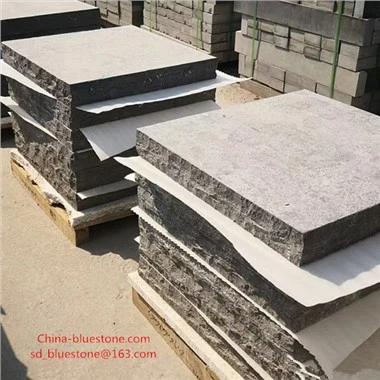
Natural stone is mined from the earth, in large quarries. The different mineral composition of each stone, forming process, and quarry location, is what determines the type of material naming and colouration. Major stone classifications for design use are granite, marble, limestone and slate.
Blocks of stone are mined using carefully drilled holes and explosives to separate blocks of stone with desired sizes, from the bedrock. The blocks are then toppled over onto a soft bedding surface by machinery, and transported to the factory for further processing.
Once at the factory, blocks are sliced with diamond-tipped saws. Typically these blocks are cut into 2cm or 3cm thickness which are the most popular thicknesses on the market for countertop, interior and exterior cladding applications. Thicker pieces can also be produced for special-projects, such as columns, fireplaces, bathtubs and sinks or other sculptural works. Improvements in technology have allowed for more rapid production of these slabs and thus more availability on the worldwide market.
Once the desired slabs have been cut, the next step is surface finishing. Different surface finishes are possible, with polished being the most popular. Circular brushes and polishing pads work away at the material surface of each slab individually. Each block is identified by serial numbers, allowing customers to understand which slabs have been cut from which part of the quarry. Within the same block, there will be a certain consistency in minerology, meaning similar grain structure and colour. We like to think of slabs from the same block like sliced bread; where each loaf is sliced, and as you move from the first slice to the last, the ingredients, look and taste are very similar with little variation.
In today's designs, we often see stone slabs that are installed as bookmatched, meaning the slabs are side-by-side and are mirrored to one another, creating striking patterns and great visual appeal. To achieve this, the slabs within each block are polished on opposite sides. For example slab number 1 will be polished on the front, and slab number 2 will be polished on the backside so when they are placed together, it creates a bookmatch effect. This has become standard practice from the suppliers, as bookmatched slabs are now widely considered as the norm.
Another way to cut the blocks is veincut or crosscut. This refers to slab production in the vertical-sense for veincut, exposing the layers of mineral veins and in horizontal-sense for crosscut, exposing the different mineral deposits in a more mottled and cloud like fashion. When this is done with the same material, vastly different outcomes of slabs are possible.
When choosing the perfect stone slab for your kitchen, consider three main factors: Material, color and pattern, and quality and veining. Evaluate the pros and cons of different stone materials such as granite, marble, quartz, and soapstone. Take into account your kitchen’s color scheme and style when selecting a stone slab with complementary or contrasting colors and patterns. Lastly, inspect the quality of the slab, ensuring it is free from defects and features appealing veining.
Stone materials for kitchen countertops
There are various types of stone materials available for kitchen countertops, such as granite (natural stone) slabs, marble, quartz, and soapstone, each with its own unique characteristics. Consider the pros and cons of each countertop material in terms of durability, maintenance requirements, heat resistance, and aesthetic appeal. For example, granite countertops are known for their durability and natural beauty, while quartz countertops (engineered stone) offer a wide range of colors and patterns along with low maintenance and stain resistance.
Kitchen countertop color & pattern
The variety and examples of the stone chunk can fundamentally affect the general look and feel of your kitchen. When selecting the stone slab, take into consideration the kitchen’s existing color scheme and style. Take into consideration things like how big your kitchen is, how much natural light it gets, and the color of your cabinets and flooring. Select a stone piece that supplements or differs from these components to make an outwardly engaging and durable plan.
Stone quality & veining
Investigate the nature of the stone chunk prior to pursuing a last choice. Search for any noticeable imperfections, like breaks, chips, or lopsided surfaces. Furthermore, analyze the veining and designs present in the stone. The veining can fluctuate altogether, going from unpretentious to strong, and can significantly influence the presence of your ledges. Select a stone slab with veining that you find appealing and that suits the overall aesthetic of your kitchen.
Stone countertops made for your unique kitchen
With a better comprehension of how to choose the perfect stone slab for your kitchen, begin investigating different materials, varieties, and examples to track down the one that suits your style. Whether you’re renovating or constructing another kitchen, make a point to focus on quality and feel to make a space you’ll cherish.
4 Inspiring Uses for Natural Stone Slabs In Your Home
Constructing countertops
If you are looking for a way to give your kitchen a facelift, consider replacing your countertops with natural stone. Natural stone comes in many colors and textures, making it perfect for any kitchen design. You can choose granite, marble, travertine, and even soapstone stone slabs for your countertops. Whatever stone slabs you decide to use will provide a long-lasting surface that maintains a great appearance for decades.
Enhancing outdoor living spaces
Outdoor living spaces are a great way to enjoy the outdoors without leaving the comfort of your home. Whether you’re hosting friends and family for dinner or relaxing with a glass of wine, you can create a comfortable outdoor space that’s both stylish and functional.
Natural stone slabs are a good choice for outdoor living spaces because they’re resistant to moisture and temperature changes. You can easily clean natural stone furniture with a damp cloth, and you won’t have to worry about rust or corrosion.
Landscaping
Landscaping is a great way to improve the beauty of your property. Natural stone landscaping is ideal for anyone who wants to add a touch of elegance to their yard. Natural stone pavers are easy to install and require little maintenance. You can also use natural stone to build retaining walls, walkways, and driveways.
Fireplaces construction
A fireplace is a wonderful addition to any home. Although you can use many materials to make your fireplaces, natural stone fireplaces are much easier to clean than traditional brick or tile fireplaces. Stone fireplaces are also fairly easy to repair. If you notice cracks in your fireplace, fill them in with mortar and allow them to dry.
There are so many ways to use natural stone slabs in your home that go beyond what’s suggested in this article. Whatever you want to do with natural stones, you can trust the stones we deliver are durable with stunning features. Hire us for natural stone installation, and we’ll leave your new home addition looking beautiful.
How to Maintain Stone Slabs
Cleaning your stone the right way
Unlike laminate or linoleum countertops which can be wiped down with regular household cleaners, these can dull or chemically etch the surface of your stone. Any acid-based cleaners like vinegar, lemon juice or citric acid will eat away at the protective seal on your stone first, and then break down and dissolve the minerals on the surface. This will leave what looks like a hard water stain or a general dulling of the stone, but it is permanent physical damage that can require the expensive help of a stone restoration specialist to resolve.
Wiping up spills right away
In order to prevent stains, etching or damage to the stone's seal, you should always be quick to clean up food and drink stains when they happen. Wine, coffee, soda, citrus and some other fruits can etch the surface if left to sit. It's also important to use a coaster or placemats for this reason, as you may not notice a ring under a glass that can leave a stain or damage.
Even something as seemingly innocuous as cooking oil can leave a difficult to remove stain if it is allowed to penetrate the surface due to sitting. Granite, marble and other stones are naturally porous materials, and even water can leave a stain (if only temporary). If liquids are allowed to sit on the stone with a poor seal, they will penetrate the surface, leaving a stain that can be quite difficult to lift.
Avoiding scratches
While granite is certainly a tough material, it isn't impervious to scratching and chipping. It's important to be careful to not drag things across the counter, and some stoneware such as marble cutting boards, pizza stones, china and some ceramics. Precious stones on a ring are another common source of scratching, as well as not using a cutting board.
It's also important to not use overly abrasive cleaning materials such as brillo pads or steel wool, even on tough stains or grime. These can cause micro-scratches over time that accumulate to show themselves as a general dulling effect on the surface - not to mention that they can strip away and damage the stone's seal.
Maintaining a proper seal on your stone
When your countertops were installed, they were treated with a sealer in order to protect the stone from damaging chemicals as well as liquids seeping beneath the surface, leaving a stain. Unfortunately, that is not a permanent solution, and needs to be maintained and reapplied in order to keep up that luster and shine that it had the day it was installed.
How to tell when to reseal your stone
The water test is a helpful tool in determining the integrity of your seal. This can be done by pouring a small spot of water (about 3 inches in diameter) onto the stone in various locations and letting it sit for 30 minutes before wiping away. If a dark mark or ring is visible in those locations, that means the water is penetrating the surface of your stone and needs to be resealed. In general, it's recommended to seal your stone every 6-12 months, but areas that see heavy use and spots that have been thoroughly scrubbed or cleaned with something like diluted bleach may require sealing more often than that. You can find more info in our sealing guide here.
How to apply a new seal
The process for resealing your stone is easy. Spray your natural-stone sealer evenly over 3-foot sections at a time, and work the solution into the stone with a clean and dry microfiber cloth immediately. Once the sealer is applied, buff the area with a fresh microfiber until the surface is dry to the touch between applications (15-20 minutes should be enough). For the best results in areas that see a lot of use, repeat the process 2-3 times to ensure a strong seal.
FAQ
As one of the leading stone slabs enterprises in China, we warmly welcome you to buy cheap stone slabs in stock here from our factory. All our products are with high quality and low price. For pricelist and quotation, contact us now.
Blue Limestone Stair, Antique Limestone Step, Acid Wash Blue Limestone Tile